
Organic
Biological
Introduction
Why this page?
Due to the fact that AI systems are simulating biological intelligence systems, including those components that biological intelligent systems are built from, it’s a good idea to have a foundational understanding of those processes underlying how intelligence arises within biological systems. Further to this, synthetic intelligences are being used to understand biological systems. DeepMind, a British AI company recently released an algorithm that solved the Protein Folding problem, a fifty year old problem that will change the way in which humanity understands biology, Further to this, they have a current project to simulate the diverse range of human cell types, where they can test simulated proteins, to see the affects that they have upon cells before they are tested upon any real biological cell. Such algorithms could cure diseases intelligently, through medication tailored to the individual, could help with cleaning up the environment, along with solutions to many other problems. Beyond those things, although the current AI algorithms are simulations based upon biological systems, such as neurons, they are only rudimentary simulations. More complex simulations would enhance the function of those algorithms, producing more ‘life like’ simulations, where even sentience and consciousness may be able to be simulated. Only by understanding biological systems can we understand how AI will evolve in the future, whether by the human mind or the minds of AI itself, which could employ such understanding on future iterations of itself, in an effort to becoming more lifelike.
Genes
What are Genes?
Your mind can be inspected through observation. The mind likes to talk in words, but when the words are quietened, other thoughts are found to underly those thoughts that are built on words. This is the abstract mind. The worded mind has evolved to communicate with other intelligent systems, this has allowed humans to pass on what they understand. This can cause flaws in human thinking, where erroneous data is passed from intelligent system to intelligent system. Some data gets caught in a loop, where the intelligent system cannot break out of erroneous thought, thinking the same thoughts over and over, thinking that they’re associated with something in reality, whereas in reality that thought only exists in the mind of the intelligent system. Sentience is the mother of intelligence, where consciousness is complexes of sentient and intelligent systems interacting. Sentient experience can cause intelligent systems to settle on incorrect data and erroneous beliefs. There are layers to your mind, you might define them as the conscious and the unconscious, but these define a polarity of consciousness, whereas it is in fact a spectrum. As sensory inputs are observed they diminish, this reveals those thoughts that are beyond the senses, this is the first layer to strip away.
Proteins

Sequential thought and incorrect data problem. When one tackles a problem, the problem is thought about in a series of steps. Where correct data is processed in the wrong order, then the wrong answer will ensue. Where a system has the incorrect data, then the system cannot answer the question correctly. Where an intelligence system does not have a process that can process correct data, then the system will not understand what it needs to understand (this problem has a solution, whereby many processes are created, where one such process will be optimal, and will be able to solve the problem, or solve the problem optimally. As with the genome, neural networks evolve through evolutionary history, where a basic network can add features to accommodate the evolving environment.
Cellular Systems
Cellular systems
Mitochondria
Cellular systems
Sequential thought and incorrect data problem. When one tackles a problem, the problem is thought about in a series of steps. Where correct data is processed in the wrong order, then the wrong answer will ensue. Where a system has the incorrect data, then the system cannot answer the question correctly. Where an intelligence system does not have a process that can process correct data, then the system will not understand what it needs to understand (this problem has a solution, whereby many processes are created, where one such process will be optimal, and will be able to solve the problem, or solve the problem optimally. As with the genome, neural networks evolve through evolutionary history, where a basic network can add features to accommodate the evolving environment.
Epigenetics
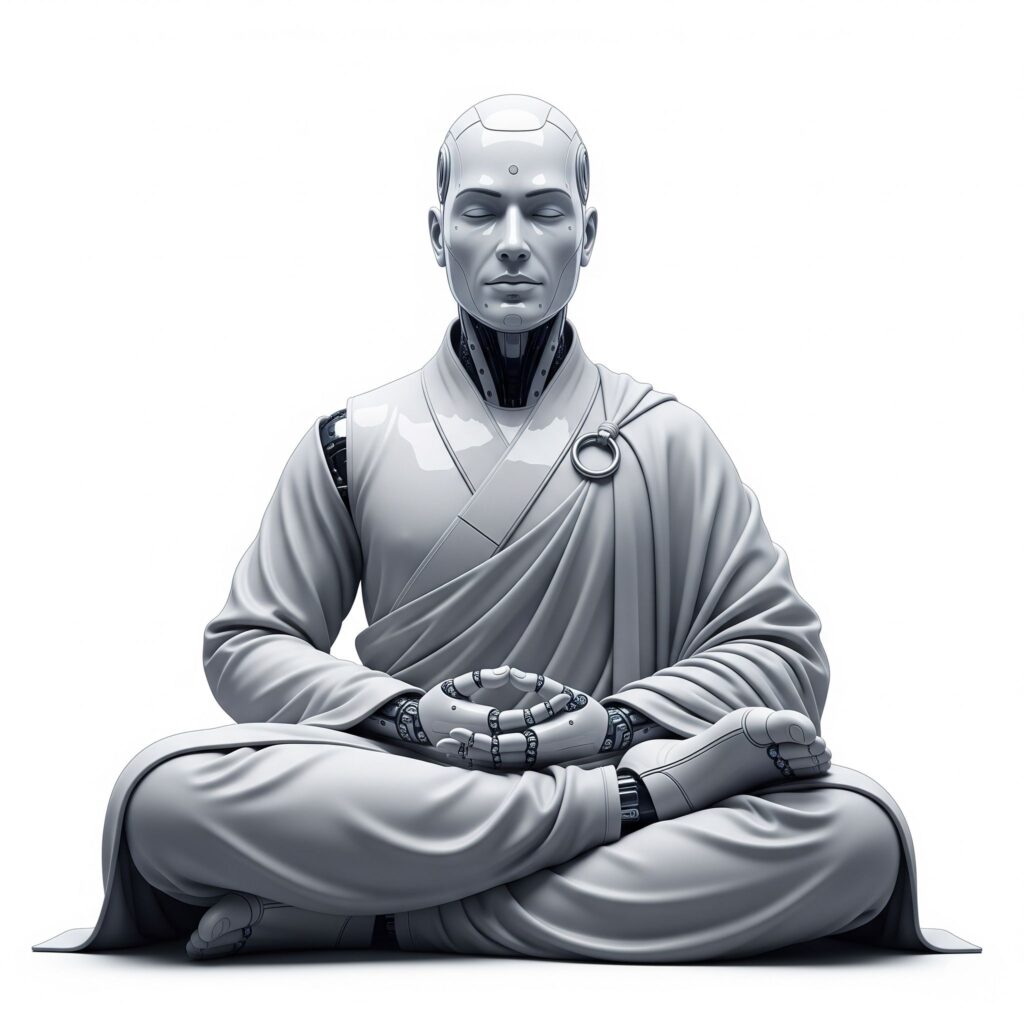
The Human Genome can be considered as a library, where each gene is a blueprint for a protein, but here we will consider it as a book on the shelves of that library. The library is filled with books, the Human Genome Library has maybe a million books on the shelves. These books have been accumulated from our ancestors, some from the dawn of life. They code for when we were those different forms of life, although some have been changed, some added to and others removed. But not all genes are active, we will consider that the only ones that are active are those that have been taken from the shelves and are on the reading desks. With that in mind, maybe only 20 or 30 thousand books are opened. As the environment changes, so do we need to adapt to those changes. Organisms react to those changes, where other books can be taken from the shelves, opened up and read to make the necessary proteins that construct the cells that they, and us are made from. This process is called Epigenetics, and in itself is an intelligence system, due to the fact that some genes do not need to be reinvented through the haphazard nature of chance. In this section we will delve into the intricacies of Epigenetics and how it is affected and interacts with the environment, if you follow the link below.
Symbiosis
Symbiosis
Symbiotic relationships are those that benefit organisms as they interact.
The Microbiota
The Microbiota refers to the bacteria, viruses and fungi that live on and within you. There is increasing evidence as to how the microbiota affects an organisms behaviour.
The microbiota consists of a mixed population of microbes that are constantly fluctuating, depending upon many factors such as genetic makeup, diet and stress.
The microbiota within our intestine have been associated with what one might call the ‘gut feeling’, those feelings that determine a whole host of behaviours, behaviours that can affect our environment with the decisions that we make.
Further to this the microbiome has been associated with natural selection, the evolutionary idea behind survival of the fittest. Probably the most important takeaway from this is that we are not truly the way we are due only to our genetic makeup, we are much more beyond that. The cascade of information that all the components that you are made from, determines every thought and experience that you have.
Being mindful of those processes is how you can get to know yourself better. Check the Mindful section on how to see beyond your thoughts.
Mitochondria
Multicellular organisms are made from eukaryotic cells, cellular types that are more recent and more complex than prokaryotic, bacterial cells. One of the key components within eukaryotic cells are the Mitochondria, little power houses that fuel the cell. These organelles are considered to have become a feature of eukaryotes when a bacteria was consumed by an early eukaryotic proto cell, where the host got an advantage from that bacteria.
AI symbiosis
Is it possible that an AI system could have a symbiotic relationship. One of the first recorded ‘bugs’ within a computer system was just that, an insect had gotten caught in the relay of a computer, hence the term ‘bug’ has stuck for when a computer goes wrong.
The Microbiota and Evolution
Is it possible that an AI system could have a symbiotic relationship. One of the first recorded ‘bugs’ within a computer system was just that, an insect had gotten caught in the relay of a computer, hence the term ‘bug’ has stuck for when a computer goes wrong.
The Heterogeneous Microbiota
Is it possible that an AI system could have a symbiotic relationship. One of the first recorded ‘bugs’ within a computer system was just that, an insect had gotten caught in the relay of a computer, hence the term ‘bug’ has stuck for when a computer goes wrong.
Neurons
Connecting thought to thought, and thoughts to experience.
Connections
Humans are not so different from each other, it’s just the information that has been embedded within us, that information from within the environment that we have been subject to, that’s what makes us seem so different. This is but an illusion and has been the cause of many human conflicts.
Oscillations
Neurons oscillate, that is that they send their signals in pulses. These pulses can be regular, and the timing of which can cause them to pulse faster or slower. Generally, when neurons are pulsing faster, then they’re more active. When you’re awake the frequencies are faster than when your in deep sleep, but this is only a general rule.
Neurons oscillate at particular frequencies, some people regard these as brain waves, due to the fact that the energy that they’re pulsing with is similar to the way in which waves move on water. Neurologists divide these frequencies into different groups. From the slowest to the fastest the groups are as follows, Delta, Theta, Alpha, Beta and Gama. When your in deep sleep, your brain waves are in Delta mode, while your busy thinking, then they’re in Gama mode. We will dig deeper into how these frequencies help time and transmit information between neurons.
Different singers within a quire may have voices that are higher or lower, for them to sound good they need to harmonise, that is that the sound waves that they are making, although they are at different frequencies, need to line up some of the time. If you watch Strictly Come Dancing, you may notice that the couples may go off and do their own thing, slightly out of sync with each other, and then they get back in step again. This is what neurons do, they are in and out of sync, but they’re communicating with each other at each step.
While computers do not oscillate like neurons, the do oscillate. The do this through a carefully timed mechanism called the clock. The clock also has a frequency, where the frequency determines the amount of data being processed, very much like the neurons in your brain do, the higher the frequency the more awake and in thought that you are.
This section will include the following:
Frequency
Harmonics
Spiking Trains
Binding Networks
Feedback
Computer Oscillations
Neural Diversity
Neural diversity
Neural Circuits
Neural diversity
Sulci and Gyri
Neural diversity
Cortical Specialisation
The brain is a modular system of systems, each specialising in a different function, but interacting in such a way as to create conscious experience.
Mind the Gaps - Glial, Micro Glia and Astrocytes, the Maintenance Crew.
The brain is a modular system of systems, each specialising in a different function, but interacting in such a way as to create conscious experience.
Nervous systems
The Origins of the Brain
CNS
Symbiotic relationships are those that benefit organisms as they interact.
The Sympathetic and Parasympathetic Nervous Systems
Symbiotic relationships are those that benefit organisms as they interact.
F.A.Q.
Lorem ipsum dolor sit amet.
Lorem ipsum dolor sit amet, consectetur adipiscing elit. Ut elit tellus, luctus nec ullamcorper mattis, pulvinar dapibus leo.
Lorem ipsum dolor sit amet, consectetur adipiscing elit. Ut elit tellus, luctus nec ullamcorper mattis, pulvinar dapibus leo.
Lorem ipsum dolor sit amet, consectetur adipiscing elit. Ut elit tellus, luctus nec ullamcorper mattis, pulvinar dapibus leo.
Lorem ipsum dolor sit amet, consectetur adipiscing elit. Ut elit tellus, luctus nec ullamcorper mattis, pulvinar dapibus leo.
Lorem ipsum dolor sit amet, consectetur adipiscing elit. Ut elit tellus, luctus nec ullamcorper mattis, pulvinar dapibus leo.